Drywall Installation & Repair in Dayton
From plaster-hybrid walls near the historic core to garage conversions off Woodman Drive, our crews repair drywall built for Miami Valley's freeze-thaw swings and clay-soil basement moisture.
Get Your Free QuoteDrywall Built for Dayton's Housing Stock and Climate
Dayton's median property value sits at roughly $100,600, far below the $332,700 national average, and a large share of that inventory dates to before 1980 — a fact that shapes nearly every drywall call we take near Dayton's historic core and in neighborhoods like Kettering, Huber Heights, and Trotwood. These older homes often hide a plaster-and-drywall hybrid wall assembly, and when the region logs 33 icing days a year with January-February humidity spiking to 82%, that combination drives the nail pops, seam cracking, and truss uplift we see season after season. Basement moisture intrusion from the Miami Valley's clay-heavy soils only adds to the workload, particularly in homes near the Great Miami River floodplain where drainage has always been a challenge.
With Dayton's homeownership rate at just 48.4% — well under the 65.2% national average — a substantial share of our repair work comes from landlords and investors maintaining rental housing near Wright-Patterson AFB and University of Dayton student housing along Brown Street, where durable, cost-effective repairs matter more than premium finish work. Given a median household income of $45,846 and a 19.9% family poverty rate, we quote per-sheet pricing transparently: standard 1/2-inch drywall runs $10-$13 per sheet, while moisture-resistant purple board suited to basements runs $14-$17. That distinction matters most in basement finishing projects, where the region's 17 inches of average annual snowfall saturates foundations every spring thaw and demands purple board plus active dehumidification to hold indoor humidity between 30-50%.
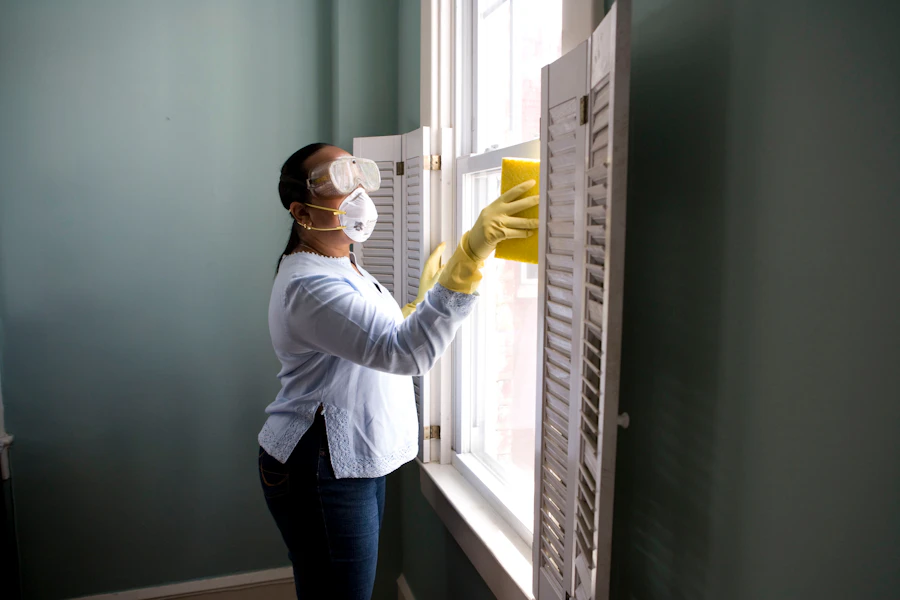
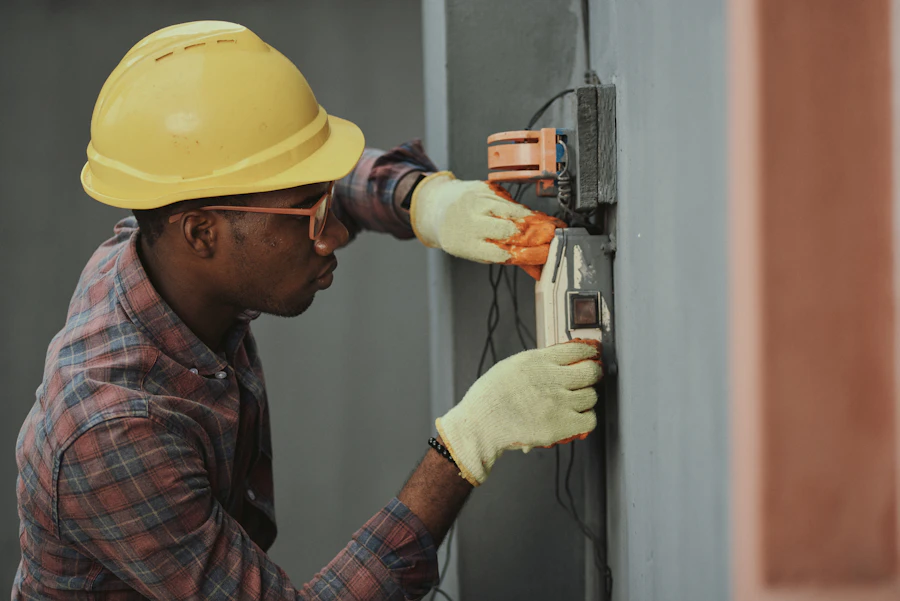
See the Difference: Dayton Drywall Repair
Dayton Drywall Costs & Local Code Considerations
Pricing for the Dayton Market
Crack and hole repairs typically run $100-$400 across Dayton, an accessible entry point for value-conscious homeowners protecting equity as the city posts 7.94% year-over-year home appreciation.
New installation runs $10-$13 per sheet for standard 1/2-inch board, rising to $14-$17 per sheet for moisture-resistant purple board recommended in basements affected by Miami Valley clay-soil drainage issues.
Older homes near Dayton's historic core often require skim-coating over original plaster before new drywall can be hung — a labor step we always budget for separately on pre-1980s properties.
Permits, Asbestos & Fire Code
Because Dayton spans both Montgomery and Greene Counties, each with its own certified building department under Ohio's BBS framework, drywall tied to basement finishing or room additions requires jurisdiction-specific permit checks rather than a single centralized office.
Garage conversions with habitable space above must use 5/8-inch Type X fire-rated board per Ohio Residential Code R302.6 — standard practice on our jobs near Wright-Patterson AFB.
Pre-1980s housing common throughout Dayton's core neighborhoods raises real asbestos considerations, so we test before any demolition or DIY-style wall removal begins.
Our Dayton Drywall Process
In-Home Consultation
We inspect damage in person, checking for the freeze-thaw seam cracking common in homes near Kettering and Huber Heights.
Moisture & Material Testing
Pre-1980s walls near Dayton's historic core get tested for asbestos before we cut into original plaster-and-drywall assemblies.
Board Selection & Install
We match board to the job — purple board for basements exposed to clay-soil moisture, Type X for garage ceilings under code.
Finish & Humidity Check
Basement work concludes with a dehumidification plan targeting 30-50% relative humidity through Dayton's wet spring thaw.
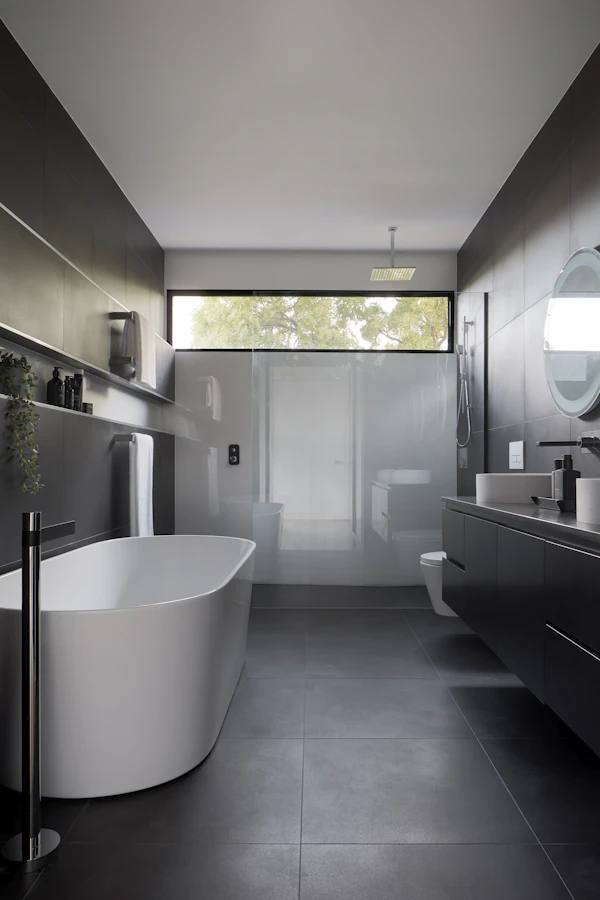
Recent Dayton Drywall Projects



Why Dayton Homeowners Choose Us
Freeze-Thaw Expertise
We build repairs to withstand Dayton's 33 icing days and heavy winter humidity swings, not just patch the surface.
Fast, Fair Estimates
Transparent per-sheet and per-repair pricing suited to Dayton's $45,846 median household income.
Older-Home Specialists
Skim-coating over original plaster is routine for us in Dayton's pre-1980s core neighborhoods.
Multi-County Permit Knowledge
We navigate Montgomery and Greene County permitting differences so your project stays compliant.
Rental-Ready Repairs
Durable, cost-effective solutions built for landlords managing units near Wright-Patterson AFB and UD housing.
Code-Compliant Fire Rating
Garage ceiling work always meets Ohio Residential Code R302.6 for Type X fire-rated board.
Dayton Drywall FAQ
Why does drywall crack so often in Dayton homes?
What does drywall repair cost in Dayton, Ohio?
Do I need a permit for drywall work in a Dayton basement?
Is asbestos a concern in Dayton's older plaster walls?
What drywall is required for a Dayton garage ceiling?
What Tri-State Customers Say
"Our 1950s home near Kettering had plaster-and-drywall seams cracking every winter. They matched purple board in the basement and it's held up through two spring thaws now."
"Managed a rental near UD student housing off Brown Street and needed fast, durable repairs, not a showpiece. Pricing was clear and the crew explained the per-sheet cost upfront."
"They caught that our garage conversion needed 5/8-inch Type X board before we even asked — saved us an inspection headache with Montgomery County."