Siding Installation & Repair in Dayton
Serving homes from the Oregon District to Belmont, we replace and repair siding on Dayton's aging housing stock — engineered for freeze-thaw winters near the Great Miami River.
Get a Free Quote Contact UsWhy Dayton's Siding Wears Out Faster Than You'd Expect
Dayton's median property value sat at just $100,600 in 2024 — less than a third of the national average — which means a huge share of homes near Dayton's Oregon District and the Historic Inner East neighborhood are still wearing original siding decades past its intended service life. That aging stock, combined with the fact that 51.6% of Dayton households rent rather than own, has created steady demand for both full re-siding jobs and targeted repair work, since landlords and cost-conscious owners alike are looking to patch problem areas rather than replace whole elevations. Walk down streets near Far Hills Avenue or through the Belmont neighborhood and you'll spot warped panels, gapped seams, and chalky faded vinyl that's been sitting untouched since the Carter administration.
Dayton logs 33 icing days annually, and January-February humidity peaks near 82%, a combination that is especially punishing on siding seams, flashing, and house-wrap details along the Great Miami River corridor. These freeze-thaw cycles accelerate moisture intrusion and warping in ways that are more aggressive here than in drier pockets of the Tri-State region, which is exactly why our crews prioritize proper water-resistive barrier work and correct vinyl gauge selection on every Dayton job — compromised siding on this city's older housing stock invites rot and mold far more readily given how marginal ongoing maintenance investment tends to be across rental-heavy blocks near the University of Dayton.
See the Difference: Before & After

Dayton Siding Costs & Material Guide
Vinyl Siding: The Practical Default
With Dayton's median household income at $45,846 and a 19.9% poverty rate, standard vinyl siding priced at $6-$12 per square foot — roughly $9,000-$24,000 for a typical 1,500-2,000 sq ft home — remains the go-to choice for most homeowners near Kettering and Trotwood.
Insulated vinyl panels run $6-$10 per square foot and pay off in Dayton's cold winters, where temperatures dip to 22°F; pairing an insulated re-side with Duke Energy's Smart $aver rebate can net up to $600 when wall cavity insulation is upgraded from R-19 to R-38 during tear-off, a natural fit for pre-1970s framing common throughout the city.
Fiber Cement for Rental Durability
Dayton's near-even 48.4% homeownership rate sustains a steady stream of investor-driven repair and replacement work — landlords near the Wright-Patterson AFB and University of Dayton rental corridors increasingly choose fiber cement or insulated vinyl to withstand the region's 17 inches of average annual snowfall without constant repainting.
Because Montgomery and Greene County building departments operate independently, we verify exterior alteration permit requirements jurisdiction by jurisdiction for every project from Kettering to Trotwood rather than assuming one county standard applies, unlike more consolidated Butler County suburbs.
Our Siding Process in Dayton
In-Home Consultation
We inspect existing panels, flashing, and house-wrap at your Dayton property and discuss material options suited to freeze-thaw exposure.
Permit Verification
We confirm exterior alteration permit requirements with your specific Montgomery or Greene County jurisdiction before work begins.
Tear-Off & Insulation Check
Old siding comes off and wall cavities are assessed for R-19 to R-38 insulation upgrades eligible for Duke Energy rebates.
Install & Final Walkthrough
New vinyl, insulated vinyl, or fiber cement panels are sealed against Dayton's 82% winter humidity before final inspection.
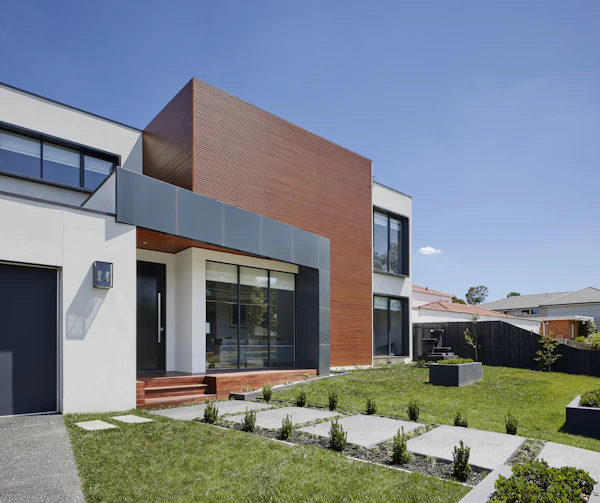
Recent Dayton Siding Projects



Why Dayton Homeowners Choose Us
Freeze-Thaw Expertise
We build every seam and flashing detail for Dayton's 33 icing days and 82% winter humidity.
Fast Repair Turnaround
Targeted repairs for rental owners near University of Dayton get seams sealed before the next storm.
Permit Know-How
We navigate Montgomery and Greene County permitting jurisdiction by jurisdiction, no guesswork.
Rebate Guidance
We help you claim Duke Energy Smart $aver insulation rebates during your tear-off.
Honest Vinyl Pricing
Transparent $6-$12/sq ft vinyl quotes fit for Dayton's $45,846 median household income.
Rental-Grade Durability
Fiber cement and insulated vinyl options built for landlords near Wright-Patterson AFB corridors.
Frequently Asked Questions
How much does siding installation cost in Dayton?
Does Dayton weather really damage siding that much?
Are there rebates for new siding in Dayton?
Do I need a permit for siding work near Wright-Patterson AFB?
Is vinyl or fiber cement better for Dayton rental properties?
What Dayton Homeowners Are Saying
"Our old siding near Far Hills Avenue was cracking every winter. The crew re-sided the whole house with insulated vinyl and even helped us apply for the Duke Energy rebate."
"I own two rentals near the University of Dayton and needed fiber cement that could survive freeze-thaw without constant upkeep. They handled the Montgomery County permit too."
"Storm damage near the Oregon District left gaps in our siding after an ice storm. Repair was fast and the seams have held through two more Dayton winters since."