Roofing in Hamilton
From the century-old mill housing near Champion Mill on High Street to the Lindenwald bungalows off Pleasant Avenue, Hamilton's aging roof stock faces a different set of pressures than the newer subdivisions of West Chester or Mason.
Why Hamilton Roofing Needs Differ From the Rest of Butler County
Hamilton isn't West Chester or Mason, and its roofing demand reflects that. This is a river-valley city with a housing stock and income profile that changes what homeowners need and what they can realistically spend.
Roughly 38.7% of Hamilton's housing stock was built before 1950 — think riverfront mill housing, Lindenwald bungalows, and the historic homes lining German Village near Dayton Street. That means a disproportionate share of roofs across the city are aging past their functional lifespan at the same time, and Southwest Ohio's freeze-thaw cycling combined with roughly 40 inches of annual rainfall accelerates the breakdown of shingles, flashing, and decking on these older structures far faster than it would in a subdivision built in the 2000s out in West Chester.
Hamilton's rental market compounds this. With owner-occupancy at just 54.4% and 45.6% of properties rented, a big chunk of roofing demand here comes from landlords maintaining aging rental stock rather than owner-occupants doing discretionary upgrades — a very different dynamic than what you'd see in owner-heavy Mason or Lebanon. Add in a median household income of $55,166 (well under Hamilton County's $72,470), and it's clear why Hamilton homeowners are more price-sensitive to the $9,500–$18,500 asphalt shingle range, and why the $7–$14/sq ft metal roofing option — despite handling Butler County's 20 psf snow loads and 1–1.5 inch hail better — remains a harder sell here than in higher-income suburbs.
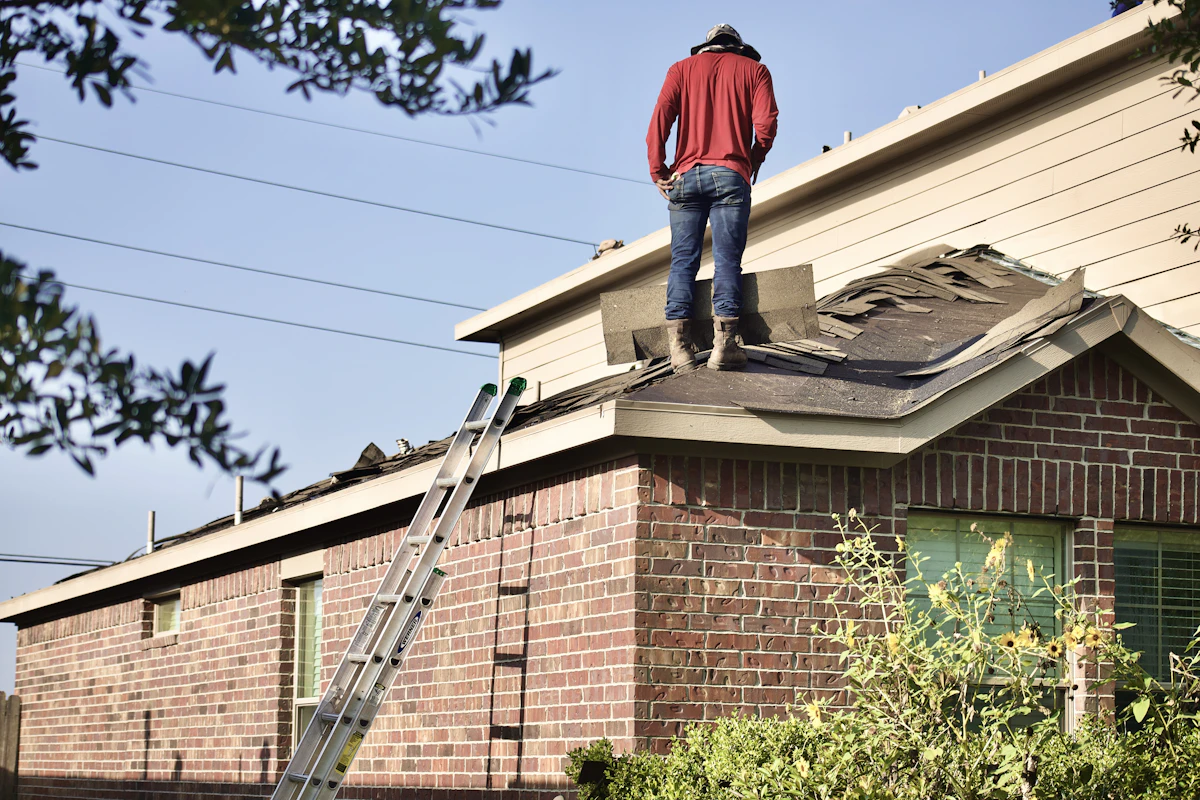
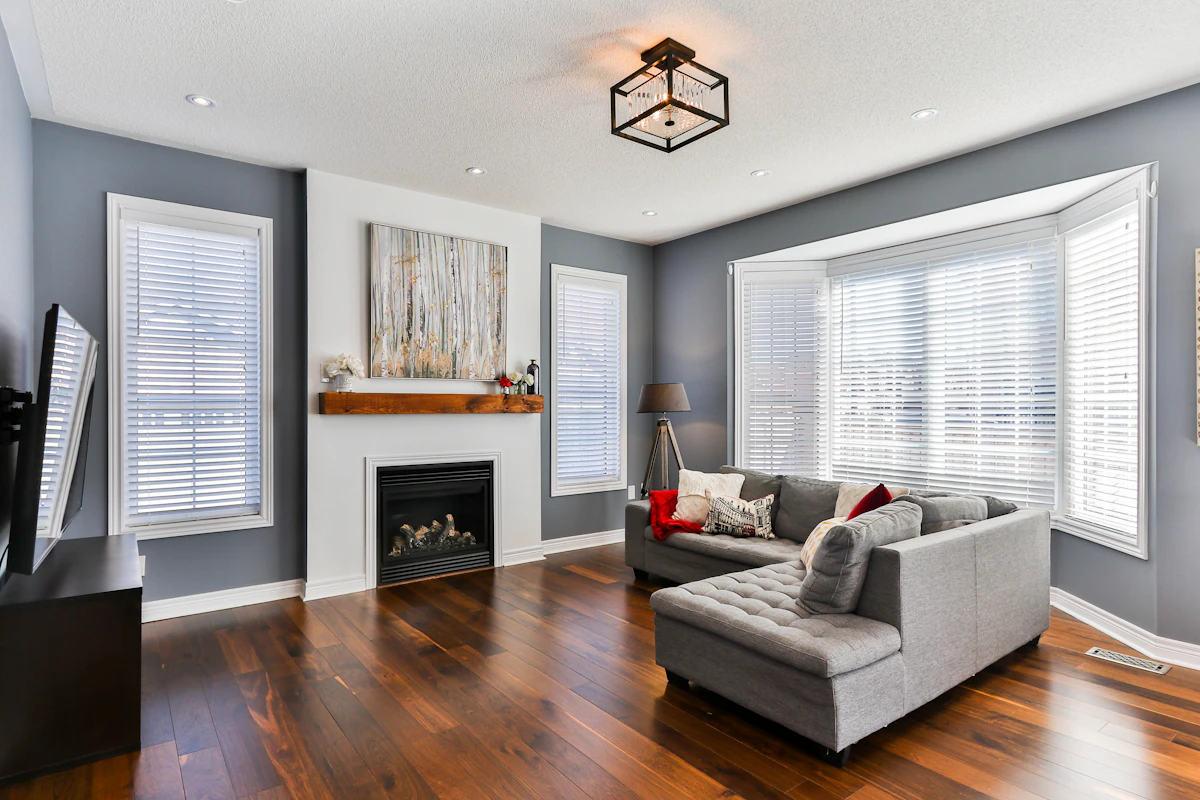
See the Difference: Hamilton Roof Tear-Off to Finish
Drag the slider to compare a Lindenwald-area roof before and after a full tear-off and asphalt shingle replacement.
Hamilton Roofing Costs, Permits & Historic Requirements
Two things set Hamilton apart on the paperwork and pricing side: its permitting split between city and county, and its wave of historic mill redevelopment.
Cost Ranges & Contingency Planning
A full asphalt shingle tear-off and replacement in Hamilton runs $9,500–$18,500, while metal roofing runs $7–$14 per square foot for homeowners who want better resistance to Butler County's convective-storm hail.
Because older mill-era homes near the riverfront frequently reveal deck rot or structural surprises once the old roof comes off, we recommend budgeting the standard 10–15% contingency on top of any quoted price — a line item that catches a lot of Hamilton homeowners off guard.
With Hamilton's median sale price up 23.6% year-over-year to $243K as of November 2025 and homes averaging just 45 days on market, more sellers and landlords are choosing to replace the roof before listing rather than negotiate a credit at closing.
Permitting & Historic Facade Matching
Permitting for Hamilton properties runs through the City of Hamilton for in-city addresses, or through the Butler County Department of Development's Building and Zoning office at 130 High Street for unincorporated parcels, with inspectors available Monday through Friday, 8 a.m. to 4 p.m.
Both jurisdictions apply the OBC/RCO 2021 ICC code and Section 1507 requirements, and typical permit and inspection fees run $150–$500 for a tear-off or structural repair.
Hamilton's historic tax credit-fueled redevelopment — including the Champion Mill/Spooky Nook conversion and the $28 million Shuler and Benninghofen woolen mill project in Lindenwald — is driving commercial and multi-family roofing work where Ohio Administrative Code Rule 3901-1-54's aesthetic-matching standard becomes critical for insurance claims tied to historic facades.
Our Hamilton Roofing Process
In-Home Consultation
We inspect your roof deck and flashing on-site, whether you're near German Village or off Pleasant Avenue in Lindenwald.
Permit Filing
We handle filing with the City of Hamilton or Butler County's office at 130 High Street, depending on your parcel.
Tear-Off & Deck Repair
We address any deck rot common in pre-1950 mill-era homes before installing new decking and underlayment.
Install & Final Inspection
We complete shingle or metal installation and coordinate final inspection to close out your permit.
Recent Hamilton Roofing Projects



Why Hamilton Homeowners Choose Us
We understand what makes Hamilton different from Fairfield, Middletown, or Dayton when it comes to roofing.
Century-Home Experience
We know how to work on Hamilton's pre-1950 mill housing and Lindenwald bungalows without surprises turning into budget disasters.
Dual Permit Navigation
We file correctly with the City of Hamilton or Butler County's office at 130 High Street depending on your address.
Verified Credentials
Since Ohio has no statewide roofing license, we carry GAF Master Elite and Owens Corning Preferred Contractor credentials you can verify.
Landlord Maintenance Plans
With 45.6% of Hamilton housing rented, we offer maintenance contracts built for landlords managing multiple aging roofs.
Historic Facade Matching
We follow Ohio Administrative Code Rule 3901-1-54 for insurance-driven claims on converted mill buildings like Champion Mill.
Storm-Ready Materials
We spec materials rated for Butler County's 20 psf snow loads and 1–1.5 inch hail common in convective storms.
Hamilton Roofing FAQ
How much does a new roof cost in Hamilton, Ohio?
Do I need a permit for roofing work in Hamilton?
Why do so many Hamilton roofs need replacement at once?
Is metal roofing worth it in Hamilton compared to asphalt?
How does Hamilton's rental market affect roofing demand?
What Tri-State Homeowners Say
"Our roof near the Lindenwald overpass was original from the 1940s — the crew found decking rot we never knew about and still stayed close to the original quote."
"They handled the Butler County permit paperwork for our rental property on High Street without me having to make a single trip downtown."
"After hail damage near German Village, they matched materials to keep the historic facade intact for our insurance claim."
Related Services & Areas
Request Your Hamilton Roofing Quote
Tell us about your property near Lindenwald, German Village, or anywhere in Hamilton, and we'll follow up with a straightforward quote.